The spiritual meaning of morning glory is rooted in one powerful truth — every day is a gift, and nothing lasts forever.
This flower blooms for just a few hours. Yet in those hours, it is stunning, vibrant, and full of life. Spiritually, that teaches us to be fully present. To show up. To bloom even when we know it won’t last.
At its core, the morning glory flower symbolizes renewal, spiritual awakening, transformation, and divine love.
What Does Morning Glory Symbolize?
what-does-morning-glory-symbolize
The morning glory is not just a pretty vine. It carries deep symbolic weight across nearly every major culture in the world.
Renewal is its most universal symbol. Each dawn, a new bloom opens. That daily cycle mirrors our own ability to start fresh — no matter what happened yesterday.
Resilience is another major theme. Morning glories grow in poor soil, climb rough walls, and thrive in harsh conditions. Spiritually, that represents the human spirit’s power to rise through difficulty.
Impermanence is perhaps its deepest teaching. The flower lives one day. That single fact has inspired Buddhist monks, Japanese poets, and Victorian romantics alike.
One of the oldest stories tied to the morning glory spiritual meaning comes from ancient China.
A boy star named Chien Niu and a girl star named Chih Neu fell deeply in love. Their love distracted them from their divine duties. As punishment, God separated them across the Silver River — allowed to meet only one day per year.
The morning glory, which blooms for only a single day, became the symbol of that one precious reunion. It represents love that endures distance, sacrifice, and time.
Morning Glory Meaning in Japanese Culture
In Japan, the morning glory is called asagao — meaning “morning face.”
During the Edo period (1603–1868), the Japanese cultivated hundreds of varieties. The flower appeared in poetry, silk kimonos, and woodblock paintings. It became a symbol of summer’s fleeting beauty and the Japanese philosophy of mono no aware — the bittersweet awareness that all things pass.
The great artist Katsushika Hokusai painted morning glories, capturing their graceful, transient nature in stunning detail.
Morning Glory in Aztec and Native American Traditions
The Aztecs called the morning glory tlitliltzin and considered it sacred.
Aztec priests used morning glory seeds in religious ceremonies to enter altered states and communicate with the gods. The seeds contain lysergic acid amide (LSA), a compound chemically similar to LSD. Through these rituals, the flower became a spiritual bridge between human consciousness and the divine.
The Mayans similarly used morning glory seeds in drinks believed to enable prophecy.
Native American tribes used the plant medicinally — brewing teas for coughs and lung congestion — and viewed it spiritually as a connector between the physical and spirit worlds.
Morning Glory in Victorian Flower Language
The Victorians developed an elaborate language of flowers called floriography. Every bloom carried a coded message.
Morning glories in Victorian culture symbolized unrequited love — a love that is sincere, deep, and real, but perhaps not returned or destined to fade.
Today, that meaning has softened. Gifting morning glories now expresses deep, abiding affection and the message: I am always thinking of you.
Morning Glory Spiritual Meaning in Buddhism
In Buddhism, the morning glory is a living lesson in anatta — the concept of non-self and impermanence.
Nothing is fixed. Nothing is permanent. The flower blooms, fades, and releases without resistance. Buddhists see this as a model for how humans should relate to life — with presence, acceptance, and non-attachment.
In this tradition, the morning glory sits close in spirit to the lotus — both are flowers that teach the deepest truths through their natural behavior.
What Does the Bible Say About Morning Glory?
what-does-the-bible-say-about-morning-glory
The Bible does not mention the morning glory flower by name. However, its themes echo powerfully through Scripture.
Psalm 90:5-6 compares human life to grass that flourishes in the morning and fades by evening — a near-perfect description of the morning glory’s own cycle.
James 4:14 reminds us that life is like a mist — here for a moment, then gone. The morning glory embodies that truth visually, every single day.
Many Christian spiritual writers have pointed to flowers like the morning glory as evidence of God’s artistry — beauty created not to last, but to remind us of what truly endures.
The flower’s daily resurrection at dawn also carries a quiet parallel to themes of hope, grace, and new mercy each morning — echoing Lamentations 3:23: “His mercies are new every morning.”
Spiritual Meaning of Morning Glory Colors
Color carries its own spiritual frequency. The morning glory comes in a rich range of hues, each with distinct meaning.
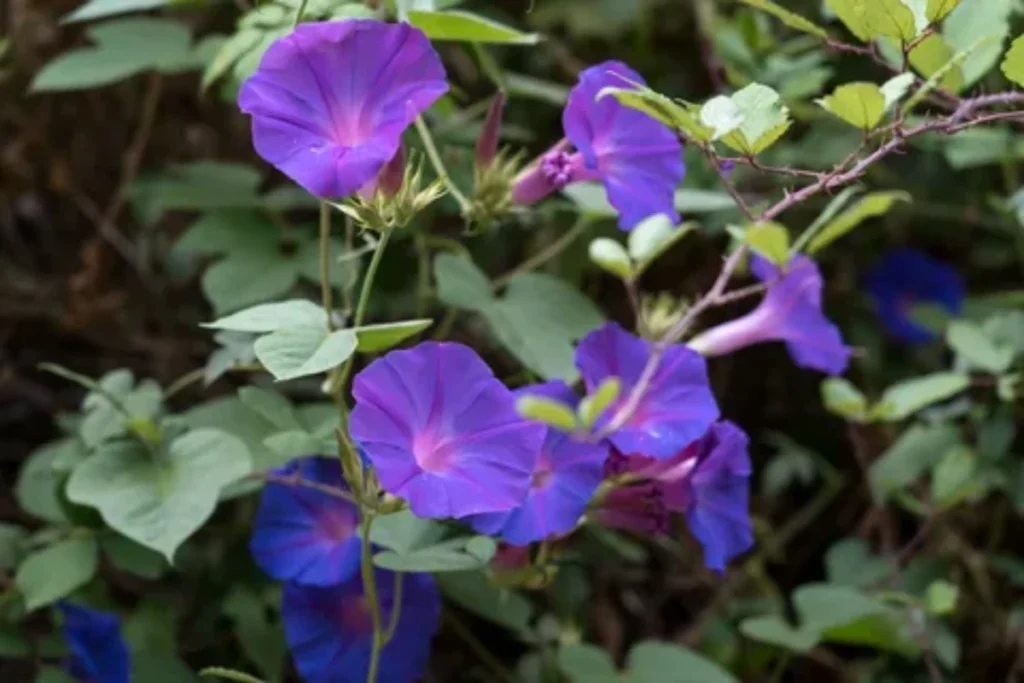
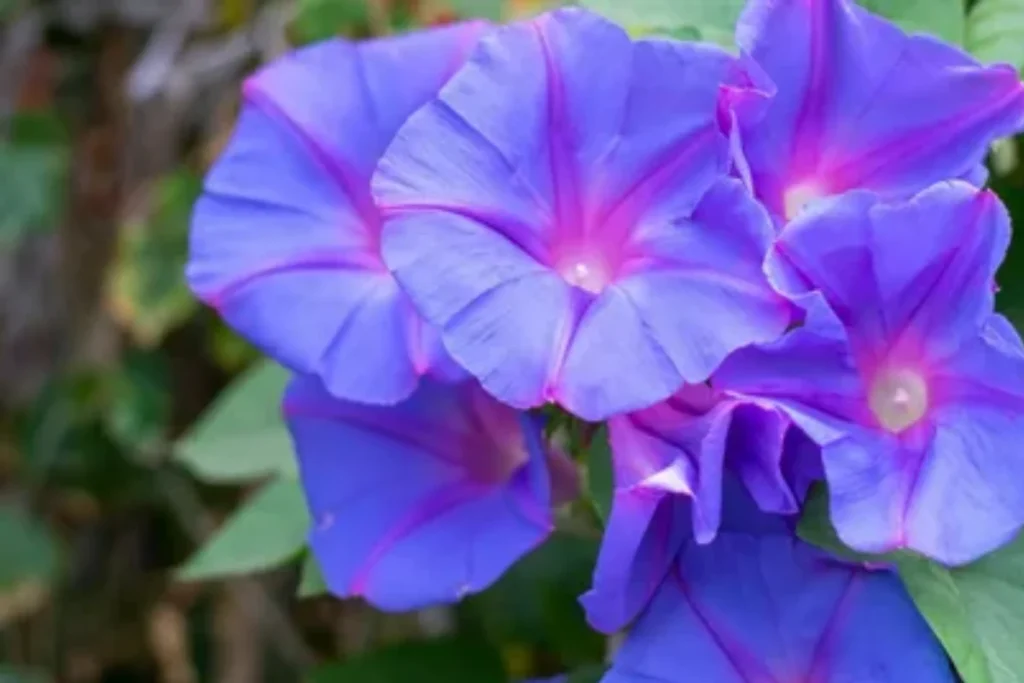
Blue morning glory symbolizes trust, freedom, and new beginnings. Blue is connected to the water element in Eastern traditions — calm, flowing, and deeply intuitive.
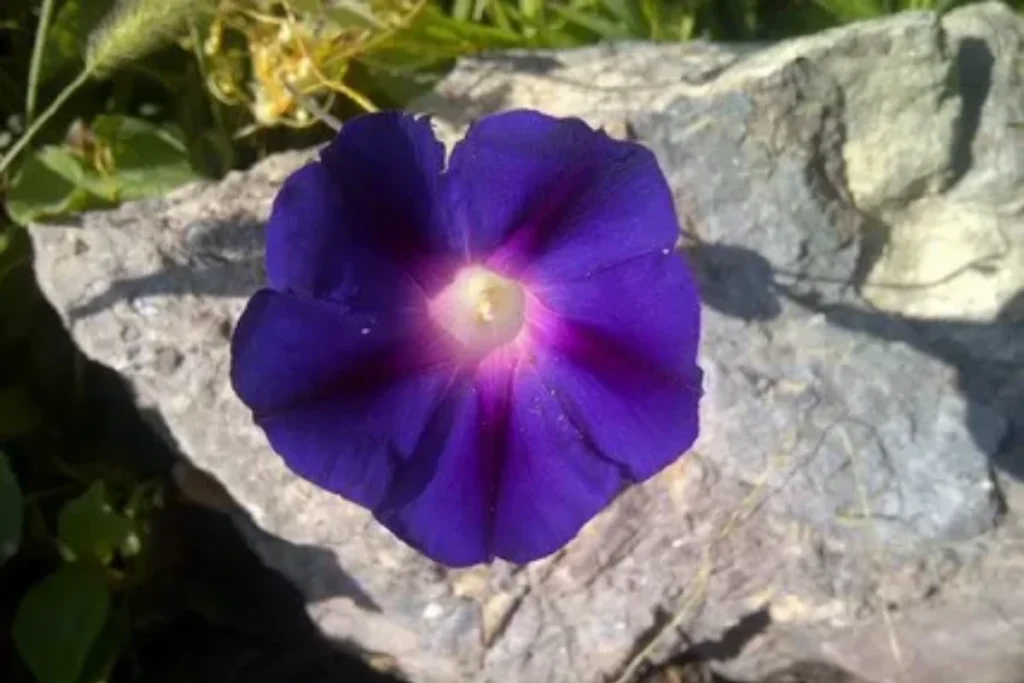
Purple morning glory represents spiritual transformation, royalty, and divine power. Purple has long been the color of mystics, healers, and those walking a higher path.
White morning glory carries the energy of purity, innocence, and divine clarity. It cleanses spiritual space and amplifies surrounding energy.
Pink morning glory speaks to healing, gentle affection, and emotional restoration. It soothes grief, eases anxiety, and opens the heart.
Red morning glory embodies passion, survival, and spiritual fire. It activates, energizes, and stirs the will to live fully.
Yellow morning glory brings enthusiasm, mental clarity, and the optimism of a new season. It is the color of beginnings and forward movement.
Morning Glory in Your Spiritual Practice
You don’t need a ceremony or a ritual to connect with the spiritual energy of morning glory.
Plant it near your window and make a habit of watching it open at dawn. That small act becomes a daily mindfulness practice — a reminder to begin each day with presence and intention.
Use its image in your meditation space as a symbol of renewal. Let it remind you that no matter what closed yesterday, something new can open today.
The morning glory teaches what no book can fully explain — the sacred is already here, blooming in the ordinary.
FAQs
What do morning glories represent spiritually?
They represent renewal, awakening, impermanence, and the spiritual invitation to live fully in each present moment.
Is morning glory good or bad?
Spiritually it carries deeply positive energy, though the seeds are toxic if consumed in large quantities.
What does the Bible say about morning glory?
The Bible doesn’t name it directly, but its fleeting bloom reflects Biblical themes of life’s brevity and God’s daily renewal of mercy.
What do morning glories mean in love?
They symbolize deep, enduring affection — and in Victorian tradition, a love that is sincere, passionate, and bittersweet.
What is the most spiritual flower in the world?
The lotus is widely considered the most spiritual flower, but the morning glory holds profound sacred meaning across multiple world traditions.
What does morning glory attract?
Spiritually it attracts renewal and awakening energy; in nature it draws hummingbirds, butterflies, and bees to its vibrant blooms.
Conclusion
The spiritual meaning of morning glory is a daily reminder that life is brief, beauty is real, and every single morning holds the possibility of something new. Let this flower be your teacher — bloom fully, love deeply, and release without fear.
I am the admin and author of RibbonMeanings. I research, verify, and explain ribboncolors, symbols, and meanings in simple words for readers worldwide.