You’ve heard it in a song. Seen it in an Instagram caption. Maybe someone said it to you and you smiled — but weren’t sure why. Habibti is one of those words that feels warm the moment you hear it.
This guide breaks down everything — the real meaning, cultural depth, and exactly when to use it.
More Post: Scorpion in Dream: Powerful Spiritual Meanings
What Does Habibti Mean?
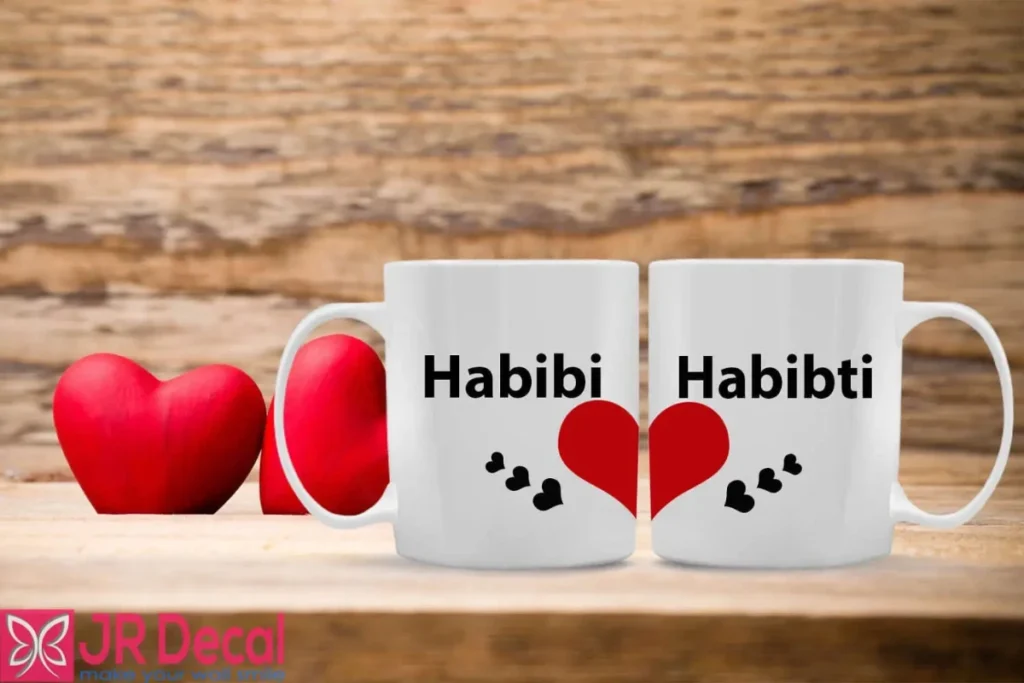
Habibti (حبيبتي) means “my beloved” or “my darling” in Arabic. It is a feminine term of endearment used when speaking to a woman or girl.
The word carries more emotional weight than simple translations like “honey” or “babe.” It expresses genuine care, love, and closeness all at once.
The Root Word Behind Habibti
Habibti comes from the Arabic root “hubb” (حب), which means love. From this root comes “habib” (beloved), and adding “-ti” makes it possessive and feminine — “my beloved female.”
Arabic builds emotion directly into its grammar. The word doesn’t just describe love — it is love, structurally.
How to Pronounce Habibti Correctly
Say it as ha-BEEB-tee — stress the middle syllable. Keep the “h” soft, not silent. Let it flow as one smooth word, not three choppy parts.
A common American mispronunciation is “ha-BIT-ee.” That changes the feel entirely. Practice the middle syllable and you’ll sound natural fast.
More Post: The Itchy Tongue Mystery: Spiritual & Health Signs
Habibti vs Habibi: Key Differences
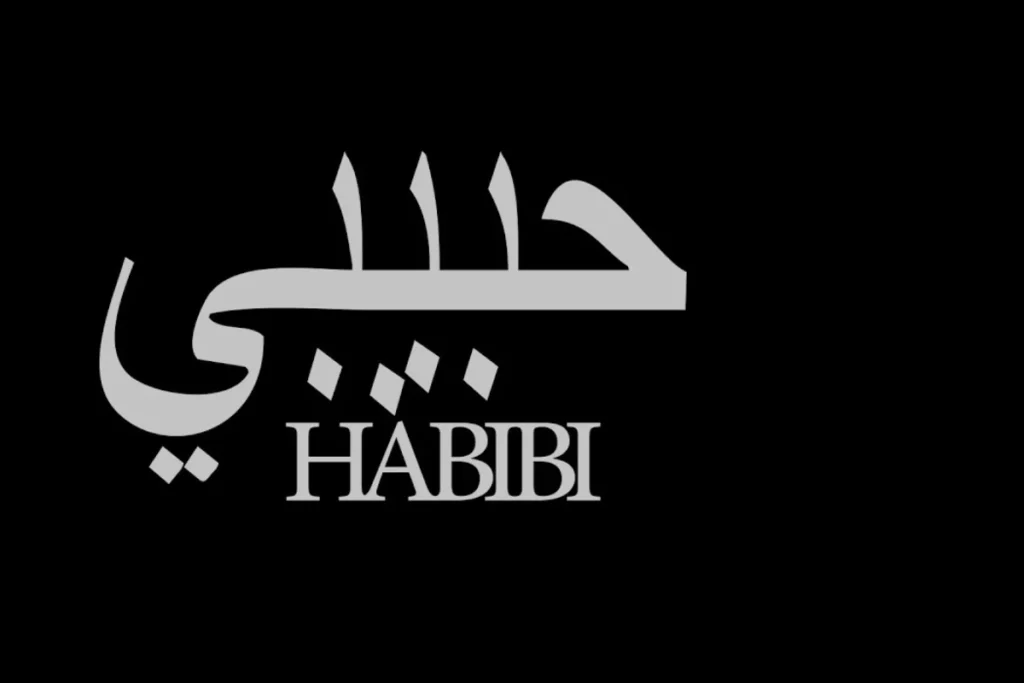
Both words mean “my beloved” — but they are not interchangeable. Arabic is a gendered language, and using the wrong form is a noticeable mistake to native speakers.
Habibti is for females. Habibi is for males. That is the only difference — same meaning, different gender target.
Gender Rules in Arabic Endearments
In Arabic, words change based on who you are speaking to, not who is speaking. A woman can say habibi to her boyfriend. A man can say habibti to his daughter. The speaker’s gender doesn’t matter — the listener’s gender does.
The “-ti” suffix marks feminine. The “-i” suffix marks masculine. This is standard Arabic grammar, not slang.
Can You Use Habibi for Everyone?
Many non-Arabs default to habibi regardless of gender because it’s more widely known. Native speakers notice this immediately. It is not deeply offensive — but it does signal you haven’t learned the basics.
Using the right form shows cultural respect. It takes two seconds to learn and makes a real difference.
How Habibti Is Used in Arabic Culture
Habibti is not reserved for romance. It flows through daily life — between mothers and daughters, close friends, neighbors, even strangers in warm social settings.
Arabic culture values open emotional expression. Calling someone habibti is normal, natural, and frequent.
Family, Friends, and Romantic Contexts
An Arab mother calls her daughter habibti the same way she breathes — automatically, constantly, with total love. A group of female friends greet each other with it. A husband whispers it to his wife.
The context tells you everything. The word itself is neutral — affectionate, but versatile.
Regional Differences Across Arab Countries
In Lebanon, habibti is used constantly — even with strangers. In Egypt, it often comes paired with “ya” — as in “ya habibti” for extra warmth. In Gulf countries like Saudi Arabia and UAE, public usage is slightly more reserved, but within families it’s just as common.
The emotional core never changes. Only the frequency and social setting shift.
What Does It Mean When Someone Calls You Habibti?
The meaning shifts based on who is saying it. Same word, three completely different emotional experiences.
From a Guy
When a man calls a woman habibti, it carries clear affectionate intent. In early dating, it signals he sees you as someone special. In a committed relationship, it is deep, daily warmth.
An Arab man using it casually doesn’t always mean romance — but it always means he considers you someone worth addressing with care.
From a Girl or Female Friend
Female friendship in Arab culture is deeply expressive. Women call each other habibti freely, warmly, and often. It builds sisterhood and signals you are close, trusted, and valued.
If your Arab female friend calls you habibti, you are genuinely in her inner circle.
From an Older Woman or Family Member
An aunt, grandmother, or older woman calling you habibti is pure maternal energy. There is zero romantic implication — only generational warmth and protection.
This is one of the most tender uses of the word. It wraps you in the feeling of being unconditionally loved.
Habibti in American Culture and Social Media
Habibti has officially entered mainstream American vocabulary — and it is not slowing down.
Why Gen Z and Millennials Use It
American Gen Z embraced Arabic endearments partly through music, online communities, and cross-cultural relationships. Habibti feels more expressive than English alternatives. “My beloved” sounds stiff. Habibti sounds real.
Younger generations also use it as a signal of cultural appreciation and global awareness.
TikTok, Instagram, and Pop Culture Influence
Google searches for “habibti meaning” grew by over 240% between 2019 and 2024. TikTok creators — both Arab and non-Arab — pushed it into millions of For You pages.
Arab pop stars like Nancy Ajram and global streaming of Middle Eastern music brought habibti to ears that had never heard Arabic before. Now it lives in captions, comment sections, and text messages worldwide.
FAQs
What is habibti vs habibi?
Habibti is feminine (“my beloved” to a female), habibi is masculine (“my beloved” to a male) — same meaning, different gender.
Is habibti flirty?
It can be, but it depends entirely on tone, context, and the relationship between the two people.
Is habibti for a boy or girl?
Habibti is exclusively used when speaking to or about a female.
Can I say habibi to a boy?
Yes — habibi is the correct masculine form and is perfectly appropriate when addressing boys or men.
How do Muslims say “I love you”?
Muslims commonly say “Uhibbuka” to a male or “Uhibbuki” to a female in formal Arabic expression.
Is saying habibi flirting?
Not always — it can be friendly, familial, or romantic depending entirely on tone and context.
Conclusion
Habibti is more than a word — it is centuries of Arabic warmth, culture, and love packed into three syllables. Use it with understanding and genuine respect, and it will always land beautifully.

I am the admin and author of RibbonMeanings. I research, verify, and explain ribbon colors, symbols, and meanings in simple words for readers worldwide.