Headaches are one of the most common health complaints in the world. Almost every person deals with them at some point. But not all headaches are the same — and not all of them mean the same thing.
Some are a simple sign you need water. Others are your body signaling something deeper — physically, emotionally, or even spiritually.
This guide reveals everything you need to know about headaches — the types, the real causes, the warning signs, and how to heal them.
More Post: Centipede Meaning Spiritual: 10 Deep Spiritual Messages
What Is a Headache?
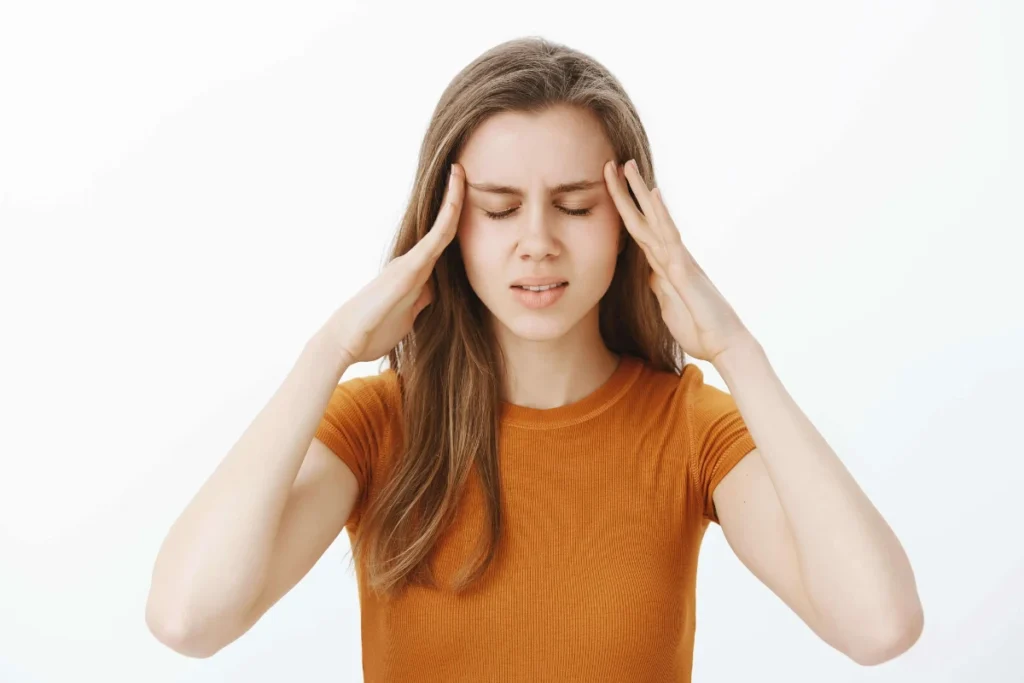
A headache is pain felt in your head, face, or upper neck area. It can feel dull, sharp, throbbing, or like constant pressure.
According to the World Health Organization (WHO), almost half of all adults experience a headache at least once a year. They are the leading cause of missed workdays and school days across the United States.
There are two main categories:
Primary headaches — the headache itself is the problem, not a symptom of something else.
Secondary headaches — caused by an underlying health condition like infection, injury, or high blood pressure.
More Post: The Spiritual Meaning of Morning Glory 2026
Types of Headaches Revealed

Understanding the type of headache you have is the first step toward real relief.
Tension Headache
This is the most common type. It feels like a tight band or pressure squeezing around your head — from the forehead to the temples to the back of the skull.
Up to 78% of people experience a tension headache at some point in their life. Stress, poor sleep, and anxiety are the biggest drivers.
Migraine Headache
Migraine is not just a bad headache. It is a neurological condition that causes intense, pulsing pain — usually on one side of the head.
It affects roughly 1 billion people worldwide. Women are nearly three times more likely to experience migraines than men. Episodes can last anywhere from 4 to 72 hours and often come with nausea, light sensitivity, and visual disturbances called aura.
Cluster Headache
Cluster headaches are rare but brutal. They strike in groups — sometimes multiple times a day — and focus on a sharp, burning pain around or behind one eye.
They affect fewer than 1 in 1,000 adults and are more common in men. Episodes typically last 15 minutes to 3 hours and often occur at night.
Sinus Headache
A sinus headache creates deep pressure across the forehead, cheeks, and nose area. It is almost always connected to a sinus infection or severe allergies. It is commonly misdiagnosed — many people call their migraines “sinus headaches.”
Medication Overuse Headache
Also called a rebound headache, this type develops when you take pain relief medication too often. If you use OTC painkillers more than 10 to 15 days per month, your body begins to depend on them — and creates more headaches without them.
Post-Traumatic Headache
This type follows a head injury or traumatic brain injury (TBI). Studies show that 18–58% of TBI patients develop this within a year of their injury. It usually begins within 7 days of the trauma.
Top Causes of Headaches

Most headaches share a short list of common roots.
Stress is the number one trigger for tension-type headaches. When your muscles tighten — especially around the neck and shoulders — pain signals travel to your brain.
Dehydration is another major culprit. Even mild fluid loss can trigger a dull, throbbing headache that spreads across the entire head.
Poor sleep, hormonal shifts, caffeine withdrawal, skipping meals, bright screens, strong smells, and high blood pressure are all well-documented headache triggers.
Genetics also play a role. Children whose parents suffer from migraines are up to four times more likely to develop them.
Headache Symptoms by Location
Where your headache sits tells a story.
Pain across the forehead and temples usually points to tension or stress. One-sided throbbing pain is a classic migraine signal. Pressure behind both eyes and across the face suggests a sinus issue.
Sharp, burning pain behind one eye is the signature of a cluster headache. Pain at the base of the skull or neck often comes from muscle tension, poor posture, or cervicogenic headaches.
The Spiritual Meaning of Headaches
Many ancient healing traditions believe the body speaks through pain. When physical causes are ruled out and headaches keep returning, some practitioners look deeper — at emotional and energetic patterns.
Stress and Emotional Overload
Recurring tension headaches are often seen as the body’s signal that you are carrying too much — mentally and emotionally. The tight band of pain mirrors the emotional weight pressing on your life.
Suppressed Anger or Guilt
Anger-based headaches tend to feel like intense internal pressure. Holding in strong emotions — especially guilt or resentment — creates physical tension that the body expresses through head pain.
Anxiety and Nervous System Messages
Anxiety headaches are your nervous system sounding an alarm. They often resemble tension headaches but come with racing thoughts, restlessness, and a feeling of being overwhelmed.
Grounding practices, breathwork, and nature exposure are among the most effective ways to quiet this type of head pain.
Spiritual Awakening and Cluster Headaches
In spiritual traditions, cluster headaches are sometimes linked to intense transformation phases — periods of major internal change, identity shifts, or deep awakening. Their severity matches the depth of what is being released or restructured within.
Frequently Asked Questions About Headaches
What type of headache is most concerning?
Thunderclap headaches — sudden, explosive, and severe — are most concerning as they may signal a brain bleed or aneurysm.
What are the top 3 causes of headaches?
Stress and muscle tension, dehydration and poor diet, and hormonal changes are the most common causes.
What does a pre-stroke headache feel like?
It typically feels like a sudden, severe headache combined with dizziness, vision changes, or one-sided weakness.
What illnesses begin with a headache?
Meningitis, influenza, COVID-19, hypertension, and brain infections commonly begin with a headache.
What is a red flag for headaches?
Sudden severe onset, fever with stiff neck, vision loss, or new neurological symptoms are major red flags.
What does an aneurysm headache feel like?
It feels like the worst headache of your life — sudden, explosive, and completely unlike any headache you have had before.
Conclusion
Headaches are your body’s most honest signal — telling you something needs attention, whether physical, emotional, or spiritual. Understanding the type you have, recognizing the red flags, and addressing the root cause is the most powerful thing you can do.
Listen to your head — it is always trying to tell you something important.

I am the admin and author of RibbonMeanings. I research, verify, and explain ribbon colors, symbols, and meanings in simple words for readers worldwide.