Most people hear “wisdom teeth” and immediately think pain, surgery, and recovery. But that’s only half the story.
Wisdom teeth power is real — and when these third molars are healthy, they do more for your mouth than you might expect.
More Post: Ring Around the Moon: Spiritual Meaning & Science
What Is Wisdom Teeth Power?
Wisdom teeth are your third set of molars. They usually arrive between ages 17 and 25 — a time when your body is transitioning into full adulthood.
The term “power” here isn’t poetic. It refers to their actual chewing force, jaw support, and structural role in your mouth. When they grow in correctly, they are fully functional teeth — not passengers.
The Real Function of Wisdom Teeth
A healthy, fully erupted wisdom tooth does exactly what any molar does — it grinds and breaks down tough food.
Your back molars carry the heaviest chewing load. Wisdom teeth add to that force. They help distribute bite pressure more evenly across the jaw, reducing strain on your front teeth and other molars.
They also complete your dental arch — the natural curve of your teeth. Without them, the back of your arch can feel incomplete, especially if other molars have been lost or damaged over time.
Why Wisdom Teeth Were Powerful for Our Ancestors
Early humans ate raw roots, tough meats, nuts, and fibrous plants. Their jaws were wider, and four extra molars were essential for survival.
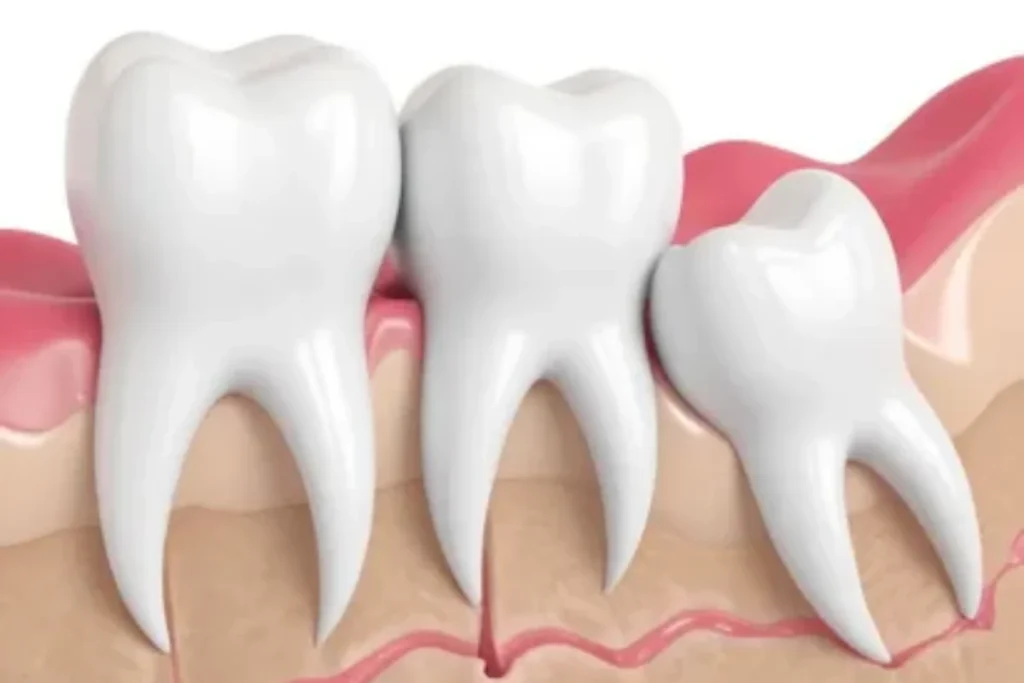
As human diets became softer and cooking became common, jaw size gradually shrank over thousands of years. But wisdom teeth didn’t disappear — they just ran out of room.
This is why impaction became common. It’s not that wisdom teeth are useless — it’s that modern jaws often can’t accommodate them properly.
Hidden Benefits of Keeping Your Wisdom Teeth
This is where competitors stop short. The benefits of keeping healthy wisdom teeth go deeper than most dental blogs admit.
Jawbone stimulation is one of the biggest. Every time you chew, your teeth send pressure into the jawbone beneath them. This stimulation keeps the bone dense and healthy. When a tooth is removed, the bone in that area can start to shrink — a process called bone resorption.
Keeping your wisdom teeth also means:
No open socket risk. Extraction creates a healing wound that can develop dry socket — one of the most painful post-dental conditions.
No shifting teeth. Every tooth holds space for its neighbors. Remove one and others can gradually drift, affecting your occlusion (how your upper and lower teeth meet).
Natural backup molar. If a second molar is lost or severely damaged, a healthy wisdom tooth already in position can sometimes be moved or used as a functional replacement.
Long-term durability. Wisdom teeth are built tough. Their enamel and root structure are designed for heavy use and long life.
More Post: Black Heart Meaning: What Does 🖤 Really Mean?
Wisdom Teeth Removal: What You Actually Lose
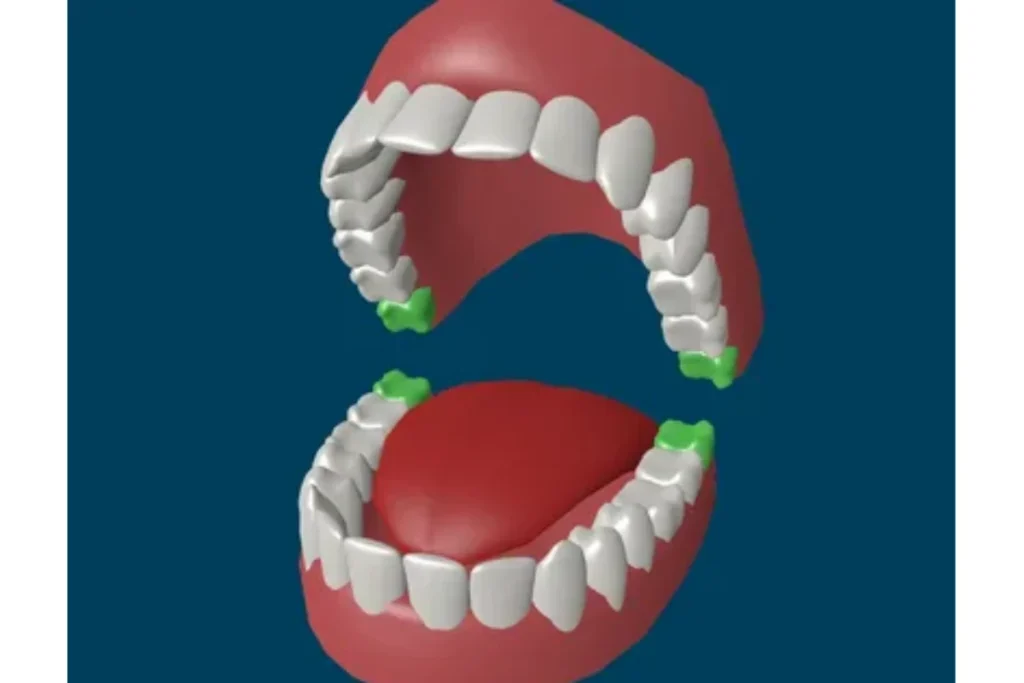
This is the part most dental websites skip entirely.
Bone loss after extraction is real. Studies show that within the first year after a molar extraction, the surrounding bone can lose significant height and width. Over time, this changes the shape of your lower face subtly but measurably.
Teeth shift more than people expect. The tooth directly in front of an extracted wisdom tooth no longer has a neighbor behind it. Without that contact, it can tilt backward — changing your bite and making cleaning harder.
The surgery itself carries risk. Nerve proximity, especially in the lower jaw near the inferior alveolar nerve, means there is always a small chance of temporary or permanent numbness in the lip, chin, or tongue.
Extraction is sometimes the right choice. But it should be a decision made with full information — not a default.
FAQs
Do wisdom teeth have power?
Yes — healthy, properly aligned wisdom teeth contribute real chewing strength and help support your jaw structure.
What dentist won’t tell you?
Removing healthy wisdom teeth can trigger bone loss, tooth shifting, and long-term structural changes that are rarely discussed upfront.
What are the power of wisdom teeth?
They deliver extra grinding force, maintain jawbone density, complete the dental arch, and serve as natural backup molars.
Can I kiss someone 5 days after wisdom teeth removal?
Light kissing is generally fine, but avoid any suction or pressure near the extraction site to protect the healing blood clot.
Why do Mexicans not get wisdom teeth?
Many people of Indigenous Mexican and East Asian descent carry a gene variant called EDARV370A that reduces or eliminates wisdom tooth development entirely.
Is day 3 worst of wisdom teeth removal?
Yes — swelling and discomfort typically peak around day 3 before gradually improving through days 4 to 7.
Conclusion
Wisdom teeth power is not a myth — it is biology. When healthy and properly positioned, these third molars strengthen your bite, protect your jawbone, and complete your dental structure. The decision to keep or remove them should always be made with a full picture of the facts, not just routine convenience.

I am the admin and author of RibbonMeanings. I research, verify, and explain ribbon colors, symbols, and meanings in simple words for readers worldwide.