You’ve seen it on lapels, social media posts, and awareness walks. But what does the purple ribbon mean — and why does it show up for so many different causes?
The answer is simple. The purple ribbon is a symbol of awareness, hope, and solidarity for a wide range of health conditions and social causes across the United States and beyond.
More Post: What Does the Yellow Ribbon Mean? Symbolism & Causes
What Does the Purple Ribbon Mean? (Quick Reference Table)
| Cause | Awareness Month | Notes |
|---|---|---|
| Alzheimer’s Disease | November | Walk to End Alzheimer’s |
| Domestic Violence | October | Purple Ribbon Campaign |
| Epilepsy | March | Purple Day – March 26 |
| Pancreatic Cancer | November | Rare, aggressive cancer |
| Lupus | May | Chronic autoimmune disease |
| Fibromyalgia | May | Chronic pain condition |
| Animal Abuse | April | Prevention campaigns |
| Suicide Prevention | September | World Suicide Prevention Day |
| Military Support | Year-round | Veterans advocacy |
| ADHD | October | Child and adult awareness |
What Does the Purple Ribbon Mean?
The purple ribbon meaning is not tied to just one cause. It represents support for multiple serious conditions — from Alzheimer’s disease and epilepsy to domestic violence and pancreatic cancer.
Purple as a color has long stood for dignity, courage, and transformation. That is exactly why it was chosen to represent causes that demand public attention and compassion.
More Post: What Does the Green Ribbon Mean? Symbolism & Causes
The History Behind Awareness Ribbons
Awareness ribbons became popular in the late 20th century. Yellow ribbons were first used to honor soldiers. Red ribbons became the symbol for HIV/AIDS in the early 1990s.
Purple grew into a color of advocacy for causes involving long-term struggle, invisible illness, and emotional resilience. Today it is one of the most widely recognized awareness ribbon colors in the USA.
What Does the Purple Ribbon Stand For?

The purple awareness ribbon covers a broad range of health and social causes. Here is what each one means.
Alzheimer’s Disease
The purple ribbon for Alzheimer’s is one of its most recognized uses. Over 6.7 million Americans aged 65 and older live with Alzheimer’s. The ribbon honors patients, caregivers, and families fighting this progressive brain disease.
Domestic Violence
October is Domestic Violence Awareness Month in the USA. The purple ribbon stands for survival, courage, and protection for victims. It calls communities to act, speak up, and support survivors.
Epilepsy
Epilepsy affects around 3.4 million Americans. The purple ribbon for epilepsy raises awareness, reduces stigma, and promotes seizure safety education. Purple Day — observed on March 26 — is a key event.
Pancreatic Cancer
Pancreatic cancer has only a 12% five-year survival rate. It is the third leading cause of cancer-related deaths in the US. The purple ribbon for pancreatic cancer pushes for early detection, research funding, and patient support.
Lupus
Around 1.5 million Americans live with lupus. It is a chronic autoimmune disease that is often misunderstood. The lupus awareness ribbon is purple, representing perseverance through invisible pain.
Fibromyalgia
Fibromyalgia affects an estimated 4 million Americans. The purple ribbon for fibromyalgia validates the struggles of those living with chronic pain that others cannot see.
Animal Abuse Prevention
Purple ribbons are also used in campaigns against animal cruelty and abuse. They stand for ethical treatment and protection of animals.
Suicide Prevention
Combined with teal, the purple ribbon represents suicide prevention awareness. On its own, purple can also reflect mental health advocacy and emotional strength.
Military and Veterans Support
The purple ribbon honors the service and sacrifice of military personnel and veterans. It symbolizes gratitude and the ongoing effort to support those who served.
ADHD Awareness
ADHD awareness is also represented by the purple ribbon. It promotes better understanding of attention deficit hyperactivity disorder in both children and adults.
How to Show Your Support With a Purple Ribbon
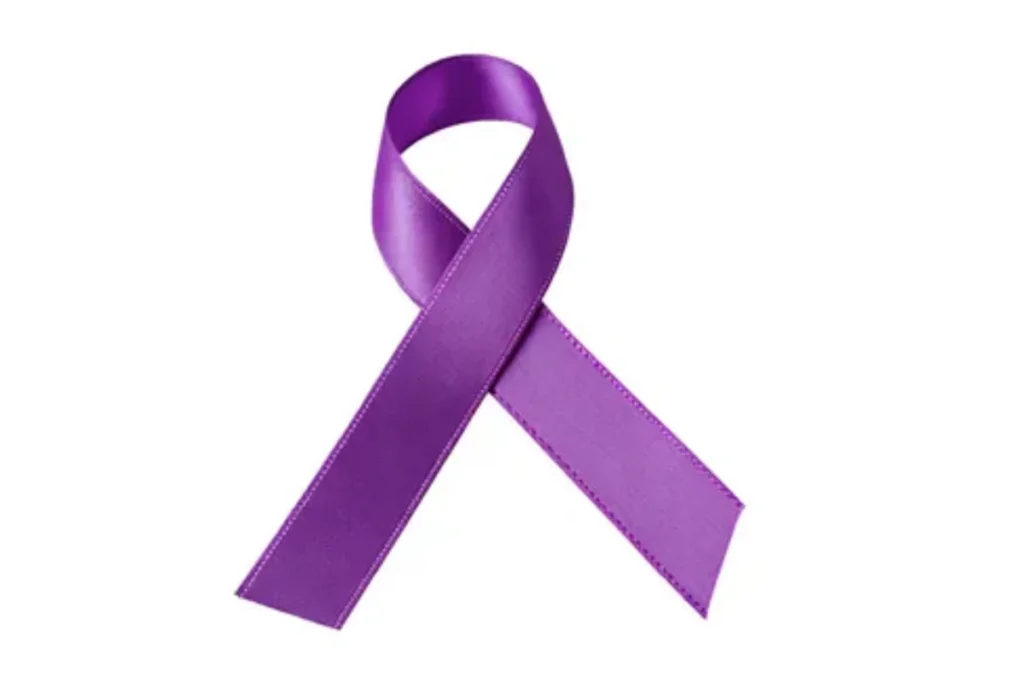
You do not need to attend a major event to show support. Here are simple, meaningful ways to participate.
Wear a purple ribbon pin during an awareness month. Share a purple ribbon graphic on social media with the right hashtags. Join a local awareness walk or fundraiser. Display a purple ribbon at home, at work, or on your car.
Every small act spreads awareness and reminds others that these causes deserve attention.
Frequently Asked Questions
What is the meaning behind a purple ribbon?
The purple ribbon symbolizes awareness and support for causes like Alzheimer’s, epilepsy, domestic violence, lupus, and pancreatic cancer.
What disease is purple awareness?
Purple is the awareness color for Alzheimer’s disease, epilepsy, lupus, fibromyalgia, and pancreatic cancer.
What is the purple ribbon in Canada?
In Canada, the purple ribbon represents Alzheimer’s disease, epilepsy awareness, and domestic violence prevention campaigns.
What disease is a purple ribbon for?
The purple ribbon is associated with Alzheimer’s, epilepsy, lupus, fibromyalgia, and pancreatic cancer, among other conditions.
What does purple ribbon mean when someone has died?
It honors a life lost and is used in memorials for those who died from addiction, overdose, or diseases represented by the purple ribbon.
What color is for all cancers?
Lavender is the ribbon color recognized for general all-cancer awareness across multiple cancer types.
Conclusion
The purple ribbon is a small symbol that carries an enormous weight of meaning. It represents millions of Americans living with serious illnesses, surviving trauma, or grieving a loss.
Whether you wear it for Alzheimer’s, epilepsy, domestic violence, or in memory of someone you loved — that single ribbon says: this cause matters, and so do the people behind it.

I am the admin and author of RibbonMeanings. I research, verify, and explain ribbon colors, symbols, and meanings in simple words for readers worldwide.